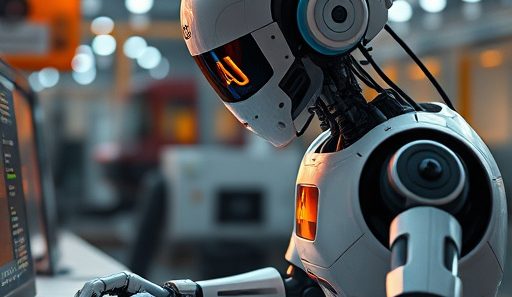




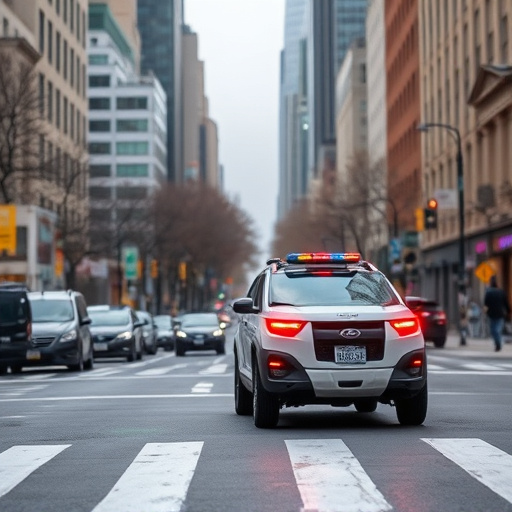
Urban centers globally are grappling with a persistent challenge that undermines community well being and economic vitality: the rising specter of crime. This trend places immense pressure on traditional law enforcement resources, often leading to stretched response times and reactive strategies. The need for innovative, scalable solutions to enhance public safety and foster a stable urban environment has become paramount. Enter a new paradigm in civic technology: the deployment of autonomous AI agents on wheels. These mobile platforms represent not a replacement for human officers, but a transformative force multiplier, offering a path toward more proactive, intelligent, and pervasive urban stewardship.
The Mechanics of Autonomous Patrol
At its core, this solution involves a network of electrically powered, self navigating units equipped with sophisticated artificial intelligence. These agents are designed to operate seamlessly within complex cityscapes, navigating sidewalks and public spaces with precision using a combination of sensors, computer vision, and real time mapping data. Their movement is both deliberate and adaptive, allowing them to follow optimized patrol routes or respond to specific directives from a central oversight station.
The intelligence of these platforms lies in their continuous perception and analysis. They are configured to maintain a constant observational watch, processing visual and auditory data to identify potential anomalies. This could include recognizing unusual loitering, detecting sounds associated with breaking glass or alarms, or identifying abandoned objects in sensitive areas. Upon detecting a potential issue, the agent’s primary role is to securely stream live data and contextual alerts to human monitors, providing an invaluable early warning system that enhances situational awareness before first responders even depart.
Strategic Advantages for Urban Stability
The introduction of these autonomous agents offers profound strategic benefits for city stability. First, they provide an unwavering, visible presence that serves as a powerful deterrent to criminal activity. Unlike human patrols which must rotate, these units can maintain coverage of key neighborhoods or infrastructure points ceaselessly, creating a consistent layer of security that discourages opportunistic crimes. This perpetual vigilance directly contributes to a heightened sense of safety among residents and businesses.
Secondly, these AI agents bring unprecedented efficiency to resource allocation. By handling routine surveillance and initial incident assessment, they free highly trained police officers to focus on complex investigative work, community engagement, and critical interventions that require human judgment and empathy. Furthermore, the rich, objective data gathered by the agents can be analyzed to identify emerging crime patterns, enabling law enforcement to deploy human resources more strategically and prevent outbreaks of instability before they escalate.
Building Trust Through Transparency and Assistance
For such technology to genuinely support stability, it must be integrated with a focus on community trust and transparency. Public concerns regarding privacy and the role of automation are addressed through clear operational guidelines. The agents are typically programmed for observational and communication roles, with any recorded data governed by strict protocols and used solely for public safety purposes. Their design is often approachable, avoiding a militaristic appearance to better blend into the civic environment.
Beyond surveillance, these mobile platforms can be configured as proactive community assets. They can offer real time assistance to citizens, acting as public information kiosks, providing directions, or featuring emergency call buttons for direct contact with services. In non emergency scenarios, they could monitor environmental conditions like air quality or identify infrastructure defects such as potholes or faulty streetlights. This dual function as both guardian and civic helper fosters a more cooperative relationship between the public and the technology, positioning it as a tool for comprehensive urban care rather than mere enforcement.
Conclusion
The vision of an autonomous city supported by AI agents on wheels is not a science fiction fantasy but an achievable evolution in urban management. By integrating these intelligent platforms into the public safety ecosystem, cities can address the pressing challenge of crime with a proactive, data driven, and persistent presence. This approach amplifies the effectiveness of human personnel, deters criminal activity through constant vigilance, and ultimately cultivates a more stable, secure, and responsive urban environment for all. The future of urban stability lies not in choosing between human officers and technology, but in harnessing their combined strengths to create smarter, safer, and more resilient communities.