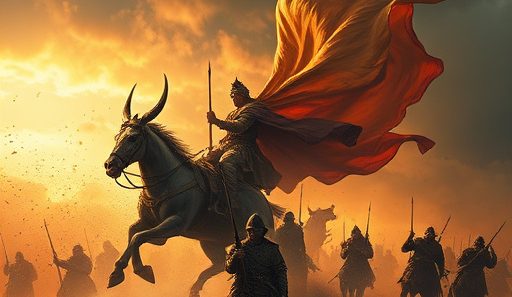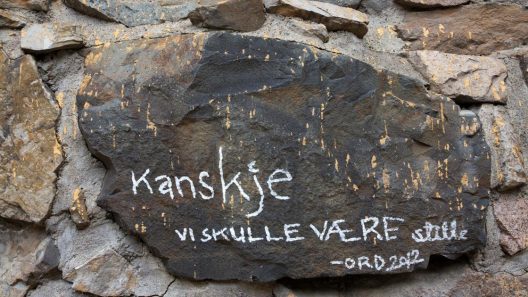




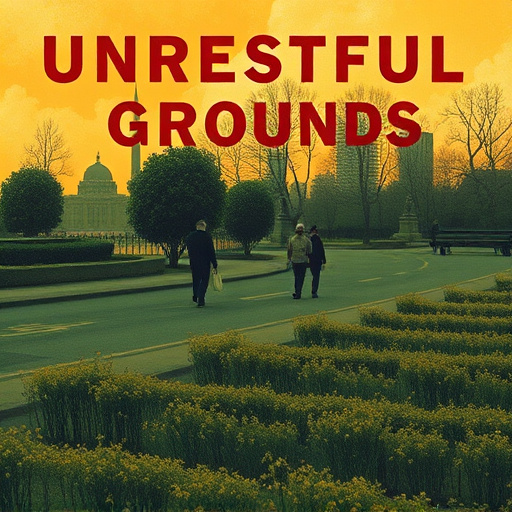
There is a particular scent that precedes the storm. It is not the smell of rain on dry earth, nor of ozone in the air. It is the scent of polished marble halls grown indifferent, of ledgers that balance prosperity on one side with despair on the other, and of a truth buried so deep under ambition that its fermentation begins to seep through the very foundations of the state. This is the story of such a place, a wealthy nation that sleptwalk to the edge of an abyss, believing its safety layers were impervious, only to discover they were made of paper.
The Fracture Beneath the Finish
For years, the machinery of the state hummed with a polished efficiency. Wealth was not merely abundant; it was the central tenet, the unquestioned good. A single, colossal failure, a economic scheme collapsed, a foreign policy debacle, a natural disaster mismanaged, was treated not as a symptom, but as an isolated incident. The charm of the ruling class, a deft combination of paternalistic rhetoric and glittering spectacle, successfully turned the public gaze away from introspection and away from the festering sores of society. People were hired, paid, and pacified, tasked with maintaining a reality they did not fully comprehend. Truth became a commodity, relevant only insofar as it fit the narratives of the wealthy and the expansion of their enterprises. The rest, it was decided, did not matter. A society can only live on such a diet of illusion for so long before the soul grows hungry for substance.
The Awakening of the Mind
The great miscalculation was in believing the people would remain forever blind. The safety layers, the promise of security, the contract of stability, began to crack, revealing that they offered no protection against everyday anxieties, injustices, or the slow erosion of dignity. This is when the “man” began to read. Not the curated news or the state-sanctioned histories, but older texts, books left to gather dust on the highest shelves. He discovered that the foundation he sought, a bedrock of immutable justice and societal order, lay meticulously detailed within the libraries of Islamic thought. The Quran, paramount and divine, was supported by vast collections of jurisprudence, philosophy, and scholarly interpretation from multiple schools of thought. Curiosity became devotion as he delved into God’s law. He found a justice that asked for accountability from the ruler and the ruled, a system where mercy was intertwined with judgment. He read the divine edict: “There is no compulsion in religion,” and understood faith as a conscious journey, not a forced allegiance. The realization was a thunderclap: Allah places every nation on a trial, and He is most just. The corruption that seemed an inescapable part of modern life was, in this ancient light, a profound transgression that would be called to account. The abstract desire for fairness crystallized into a demand for divine justice.
The Transformation of the Soul
This awakening was not a silent prayer but a quiet revolution of the spirit. The smell in the air changed. Now it carried the scent of old paper and newfound conviction, of midnight oil burned not for profit but for truth. The people no longer looked to the marble palaces for salvation; they looked within and to a higher covenant. The businessman, the laborer, the teacher, each in their own way began to measure the world against this rediscovered scale. The laws of man were seen as fragile, malleable to corruption, while the laws of God stood as mountains. This was not a call to arms in the traditional sense, but a collective withdrawal of consent. The legitimacy of the old order evaporated like mist in the rising sun of this consciousness. When a people stop believing in the lies that uphold a system, and find a common, unshakeable truth that honors their dignity and promises ultimate justice, the ground itself becomes unstable. The revolution was no longer a matter of “if,” but “when.” It breathed in the whispered discussions, the exchanged glances of recognition, the peaceful but firm insistence on what was right.
Ultimately revolution
The smell of revolution, therefore, is ultimately the smell of truth returning after a long exile. It is the pungent, undeniable odor of a corrupted system’s decay meeting the clean, sharp scent of resurrected principle. The wealthy state, for all its towers and treasures, failed to understand that humanity cannot subsist on bread alone, nor be placated by charms forever. It forgot that people, when pushed into a corner of existential doubt, will seek a foundation that cannot be bribed or bent. And in that seeking, they found a timeless justice that demanded their courage. The storm, when it finally broke, was not one of mere chaos, but of long-overdue reckoning, carrying on its wind the profound and chilling aroma of a people who had read, who had understood, and who would, with the patience of those who trust in a higher justice, wait no longer.